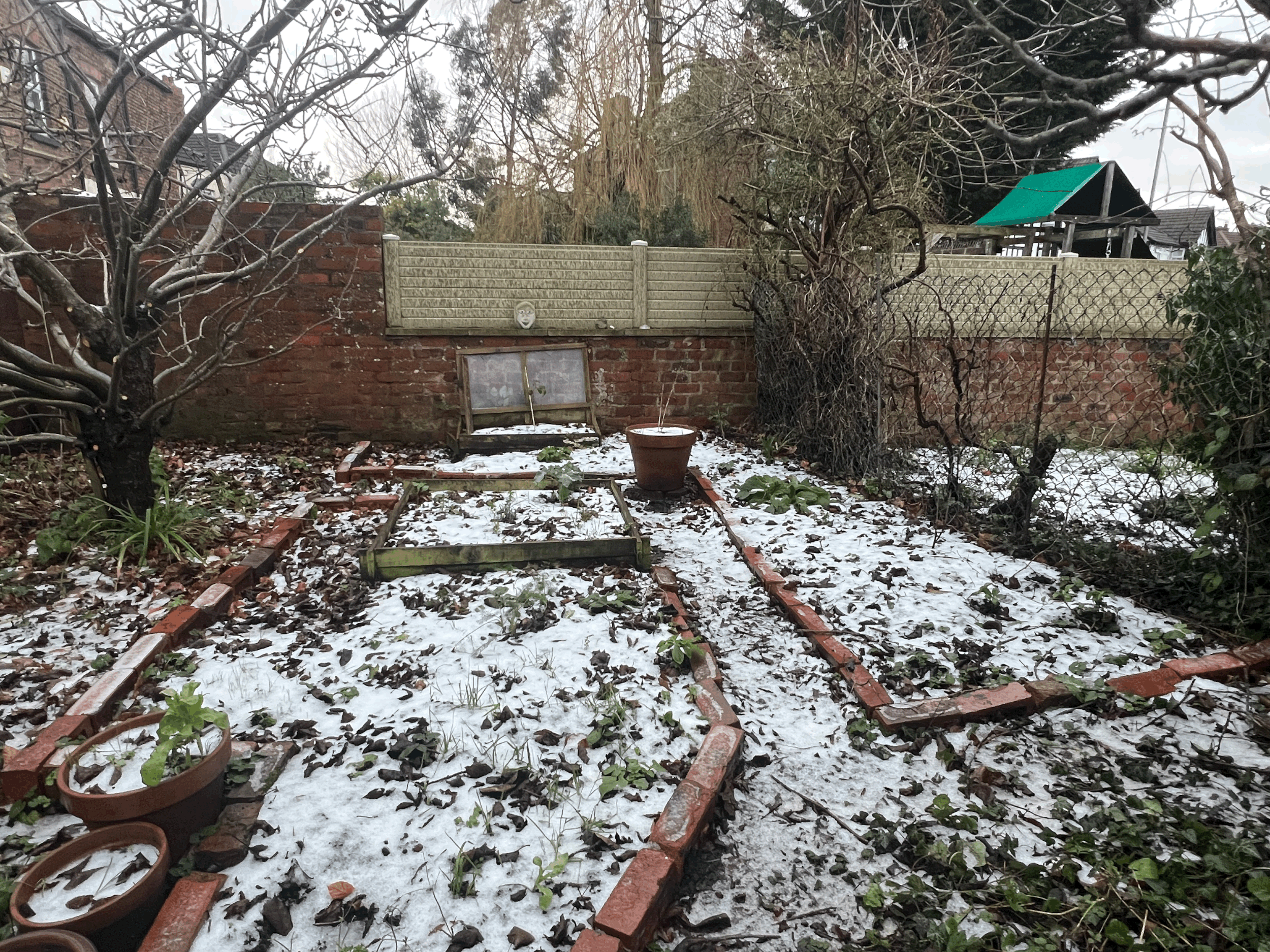
The Garden in New Ferry
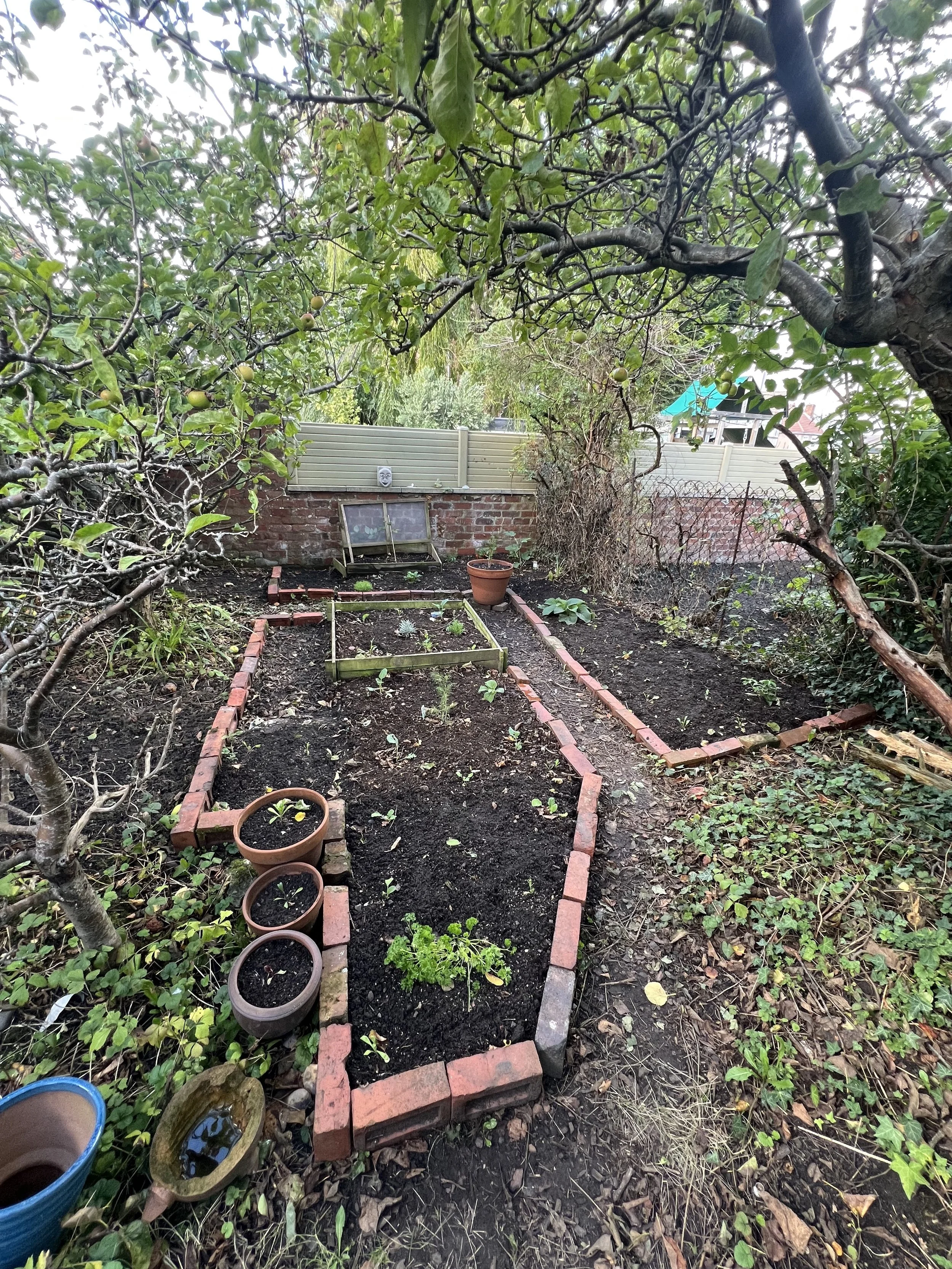
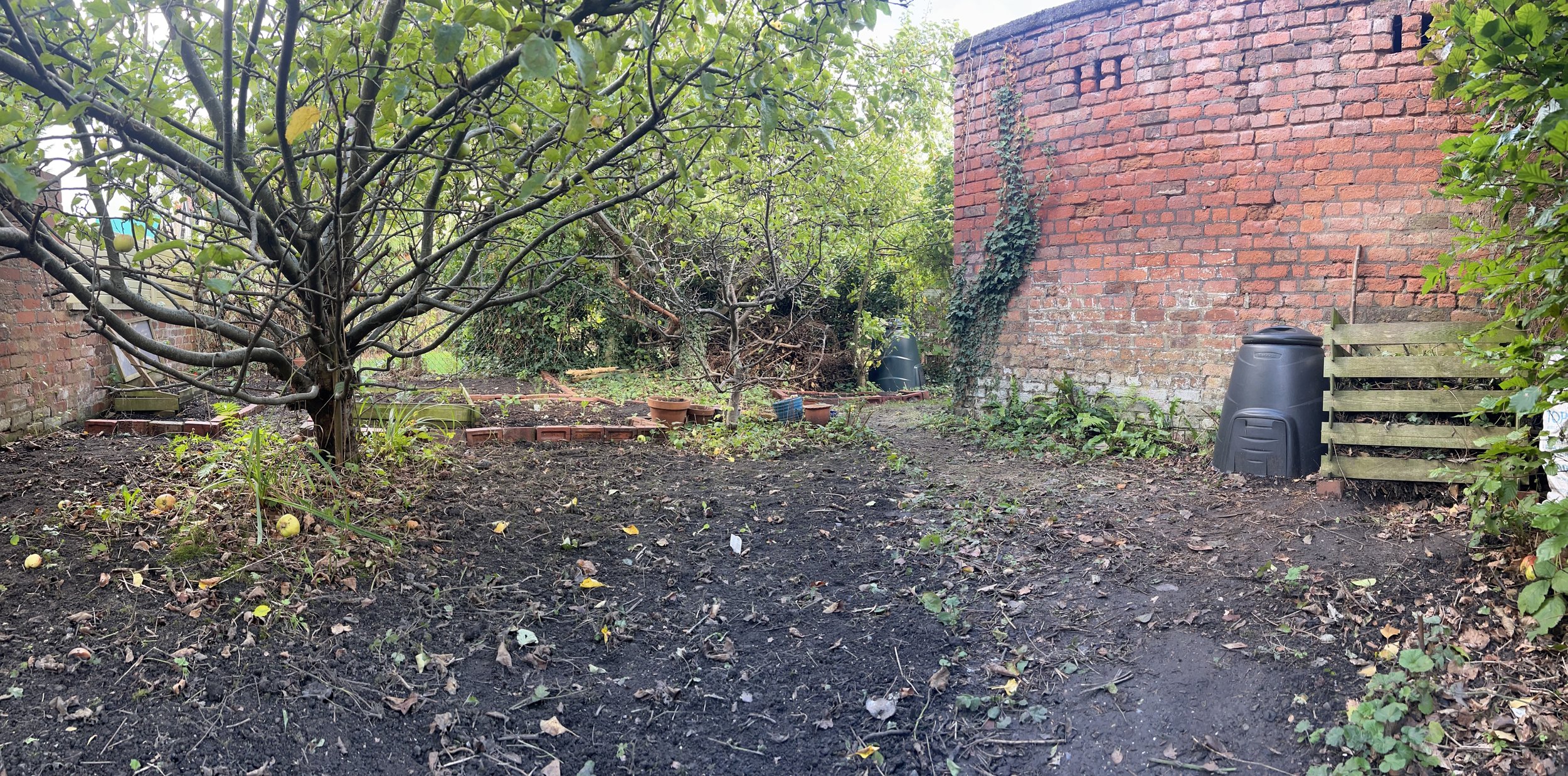
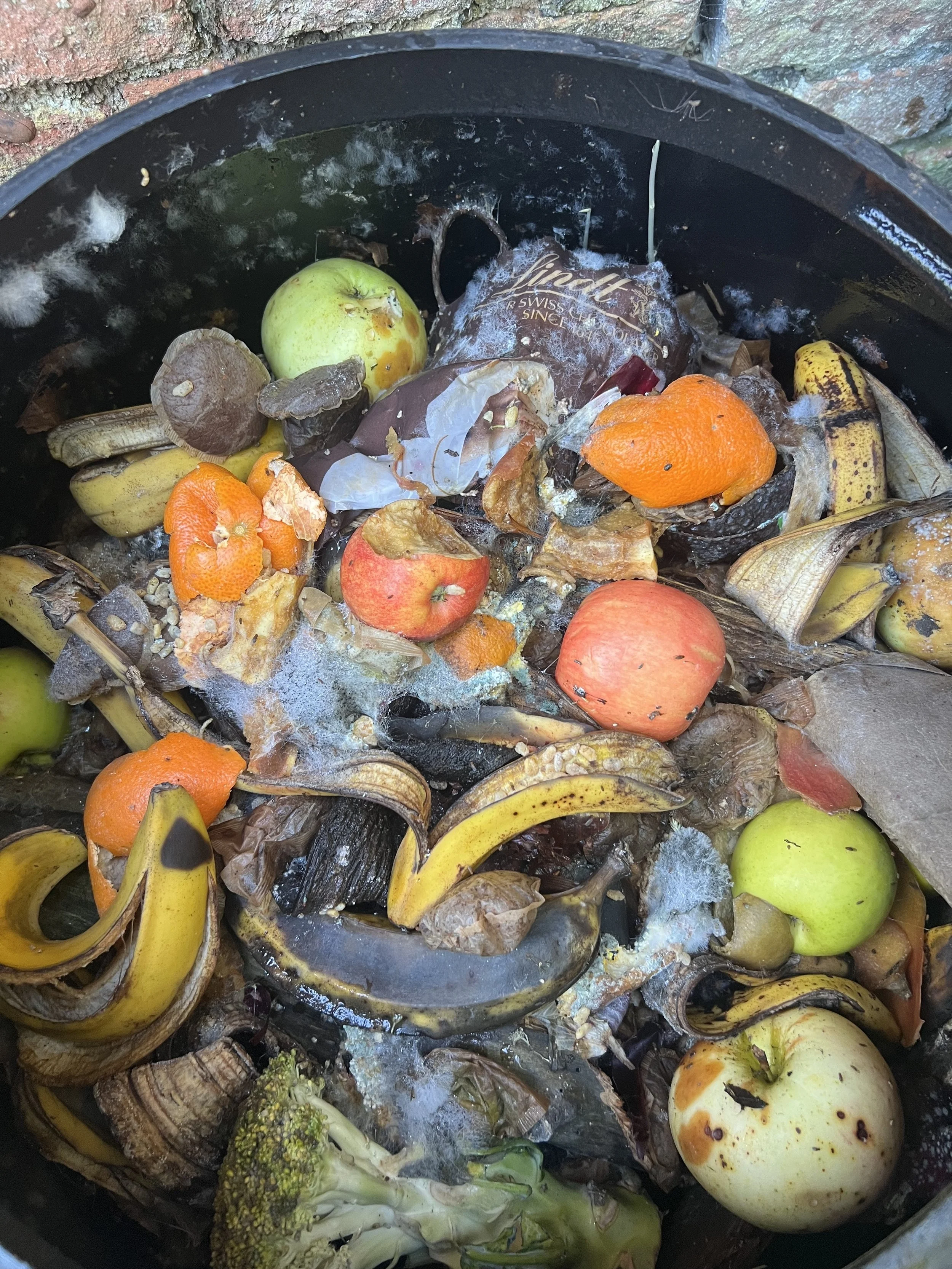
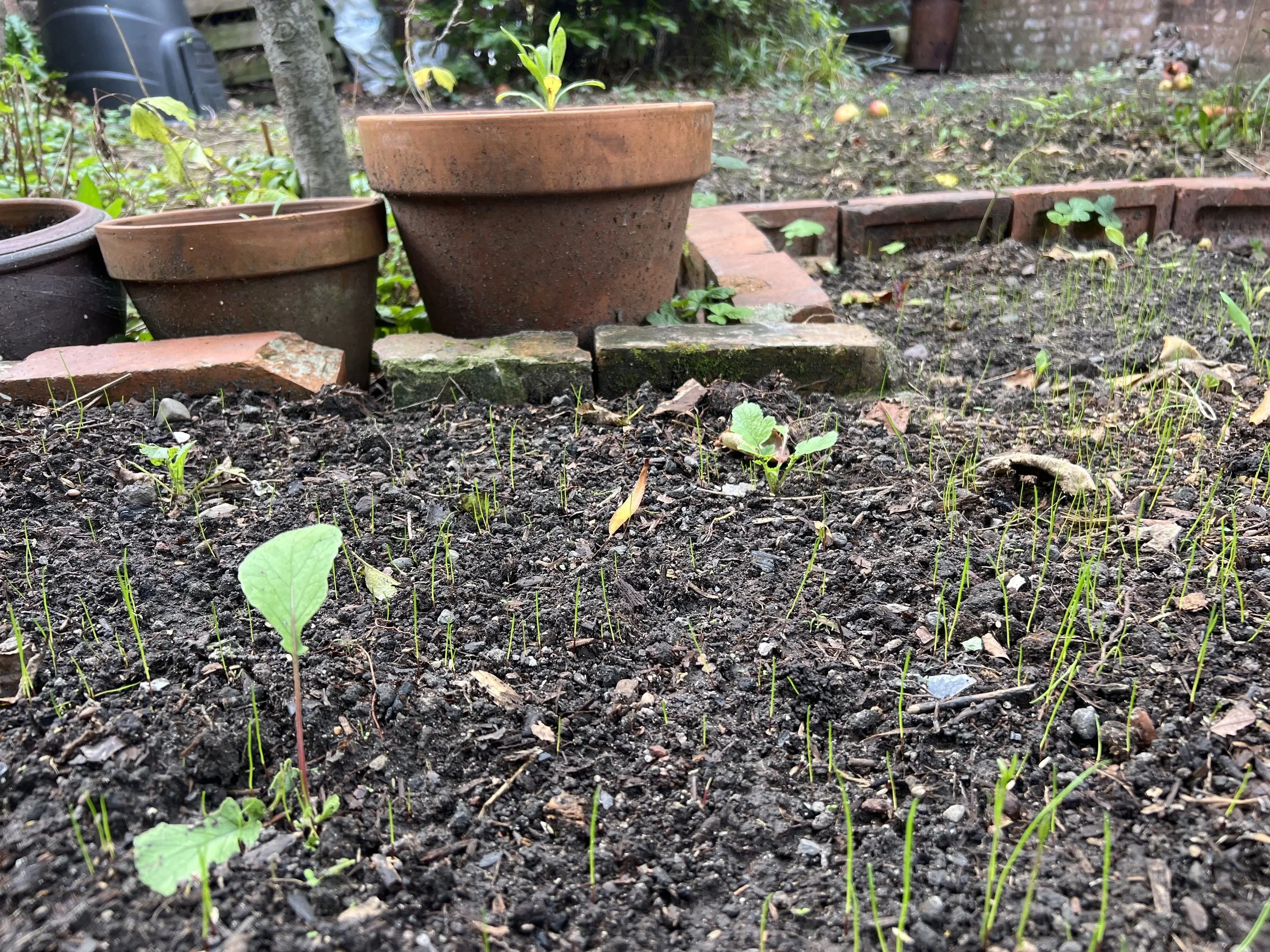
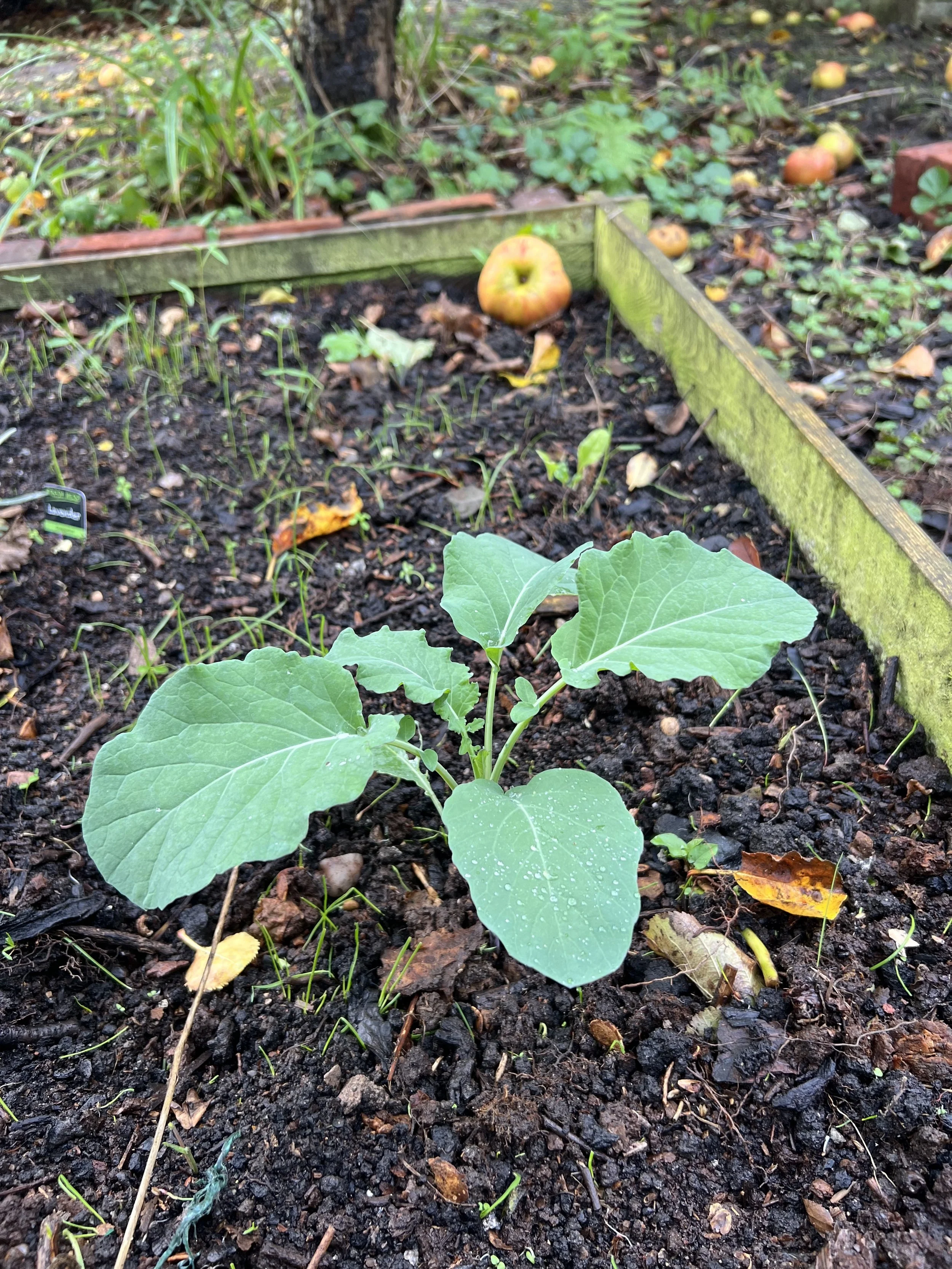
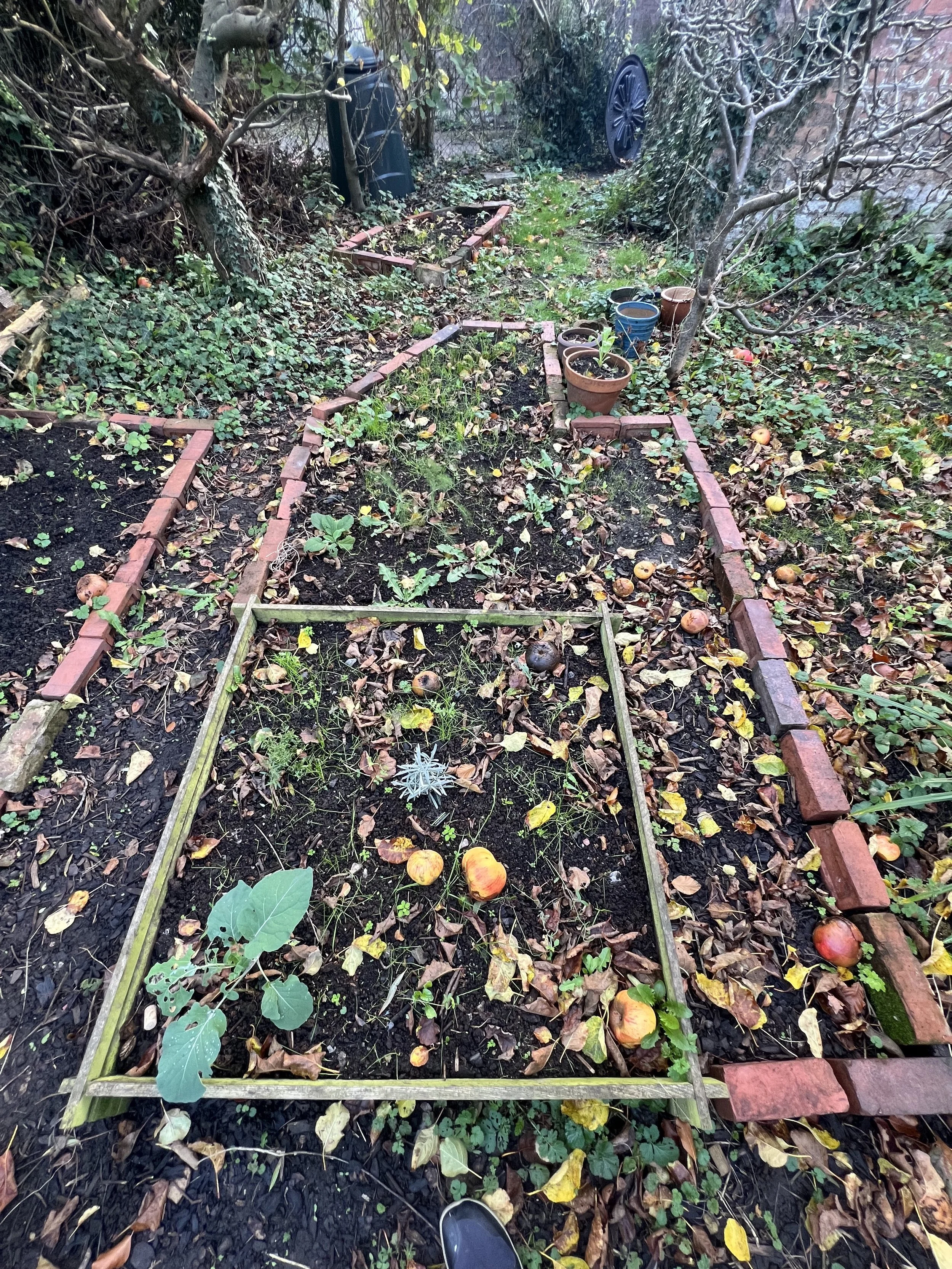
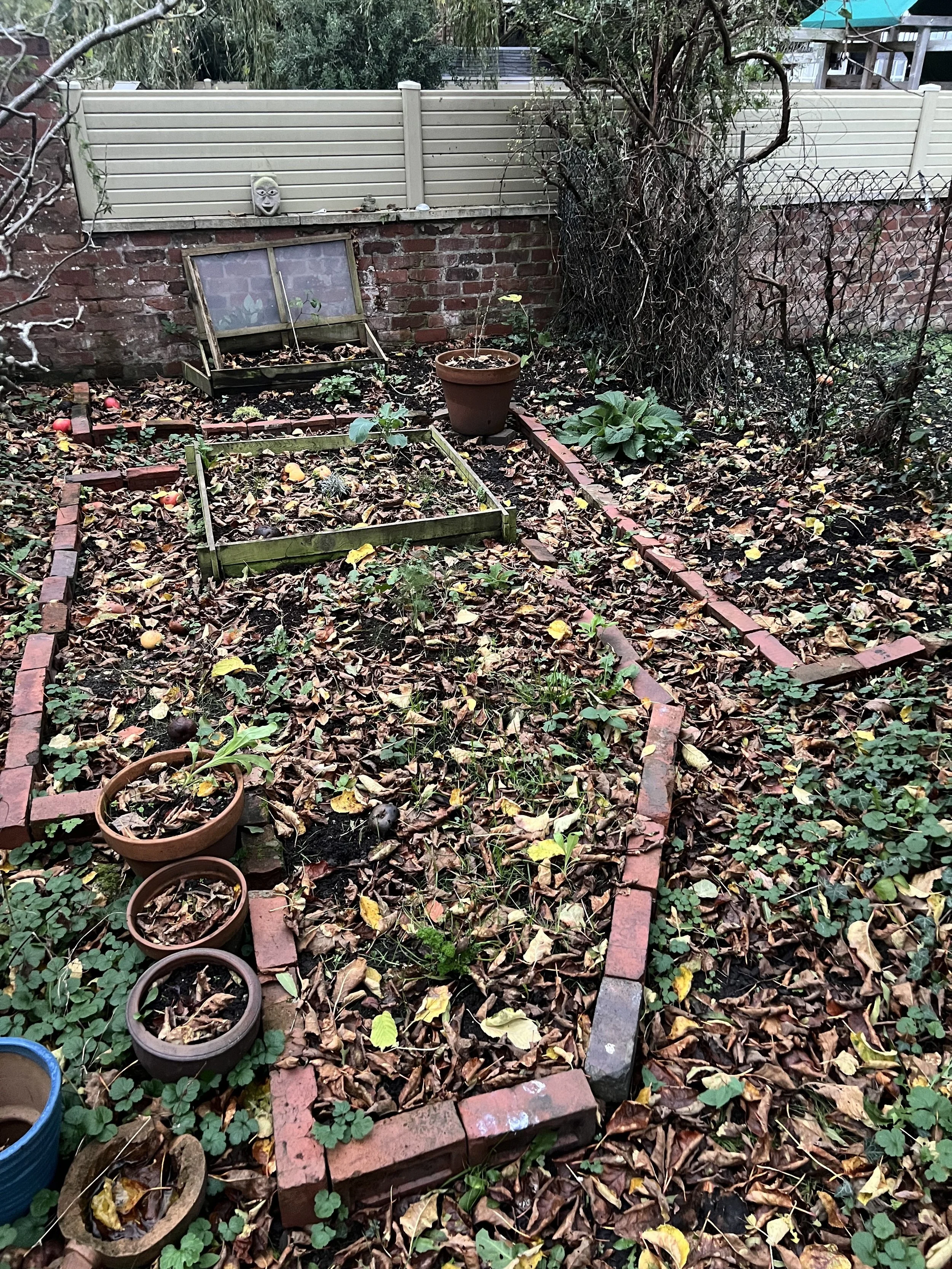
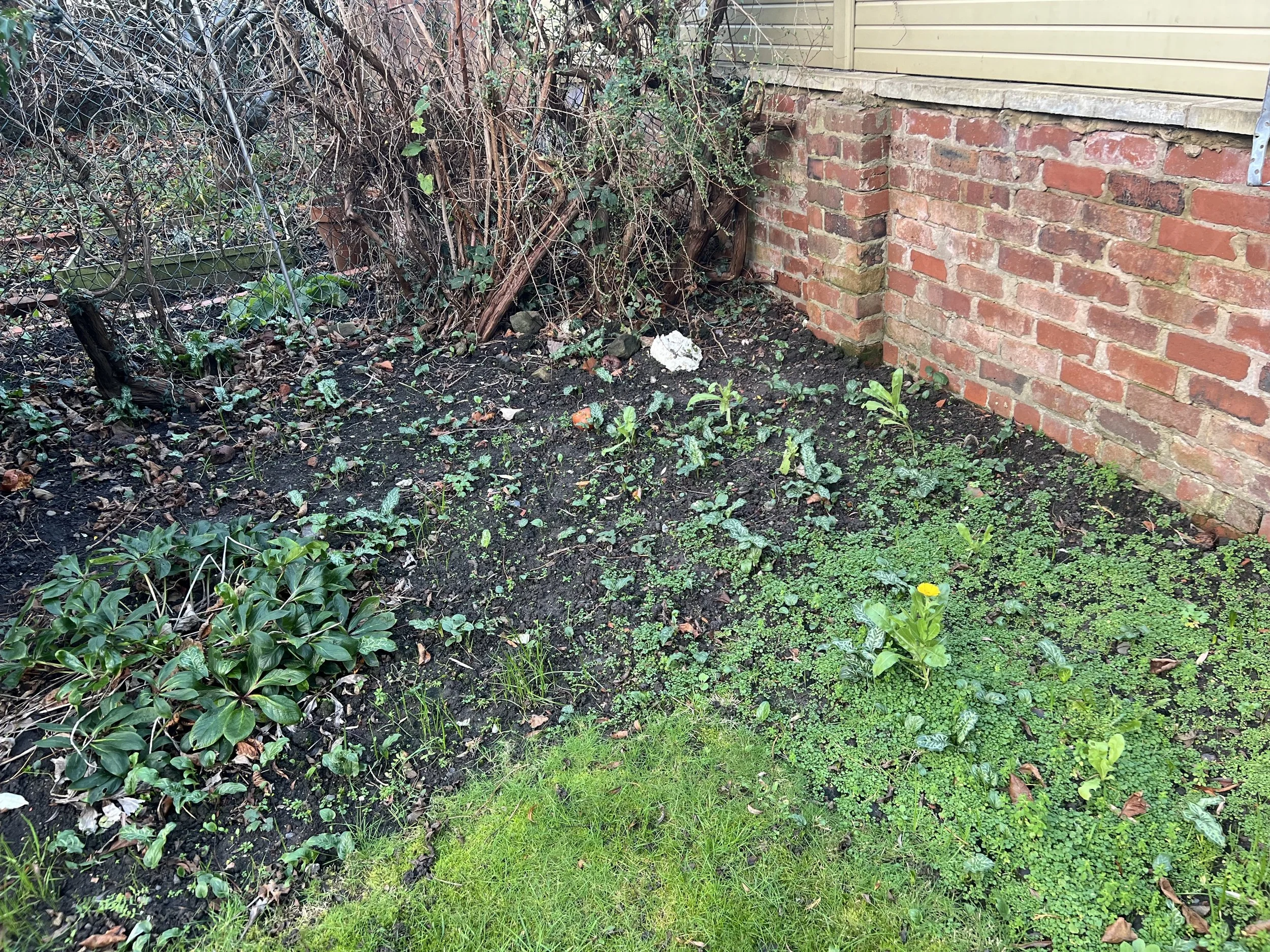
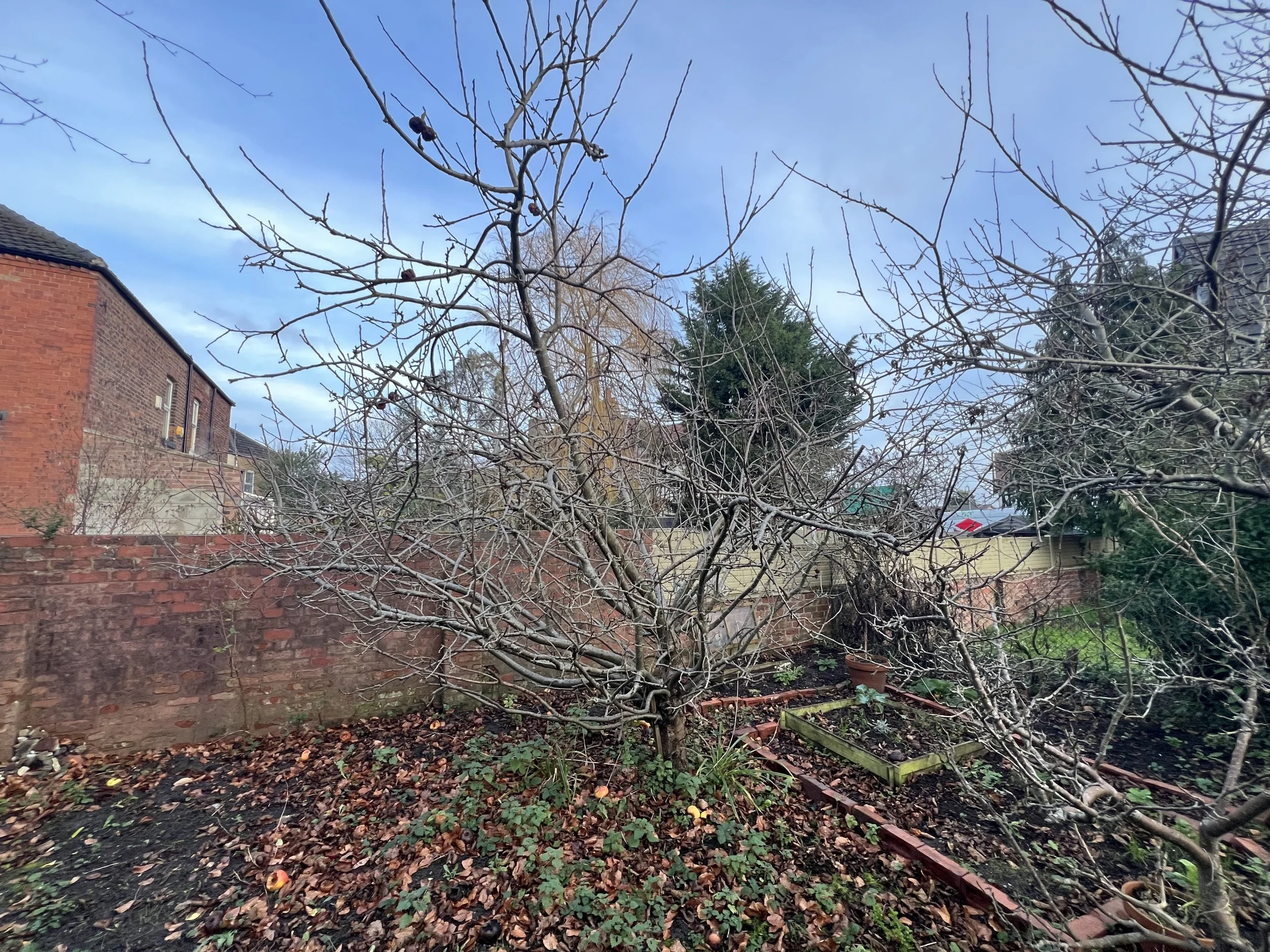
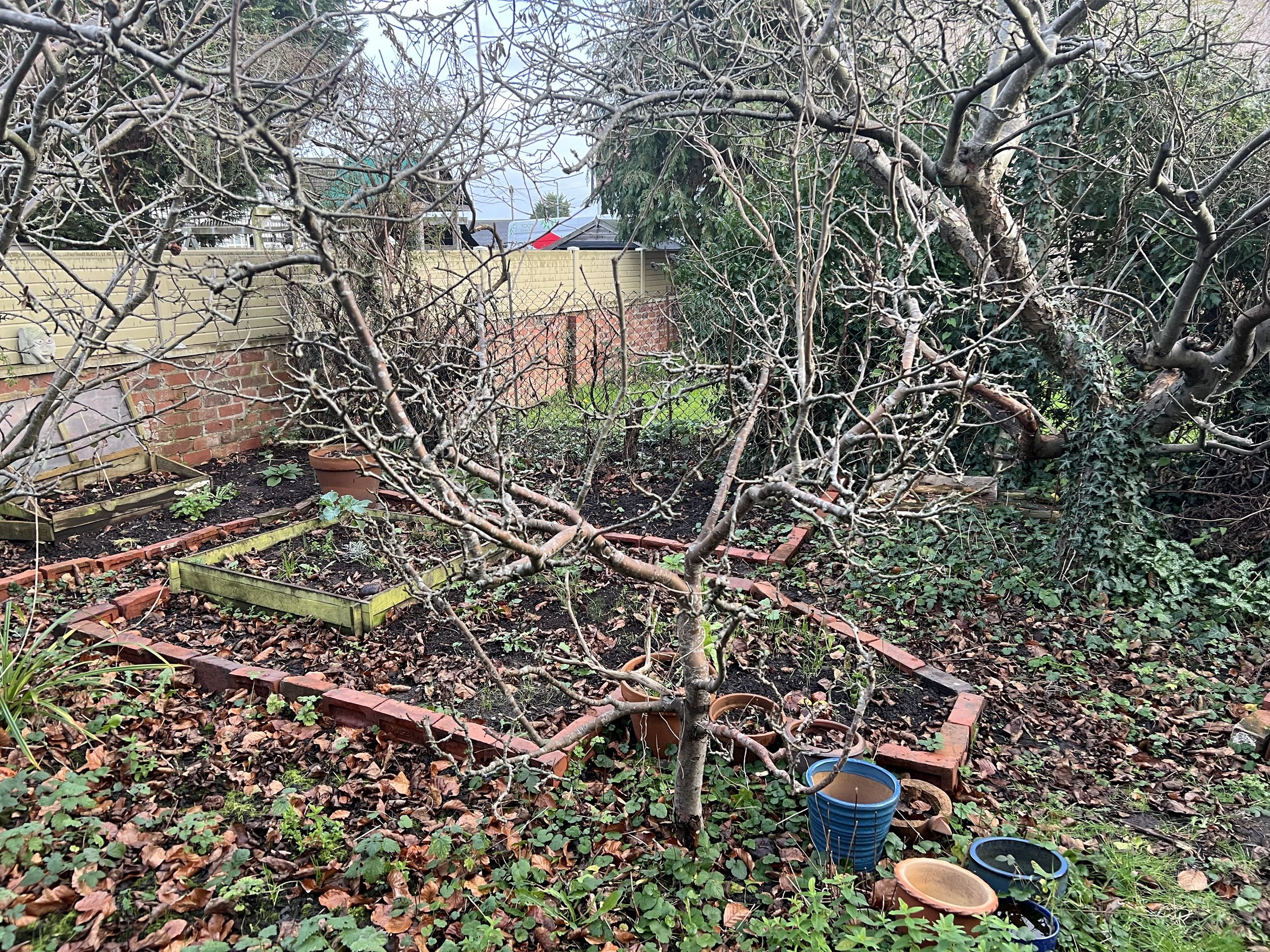
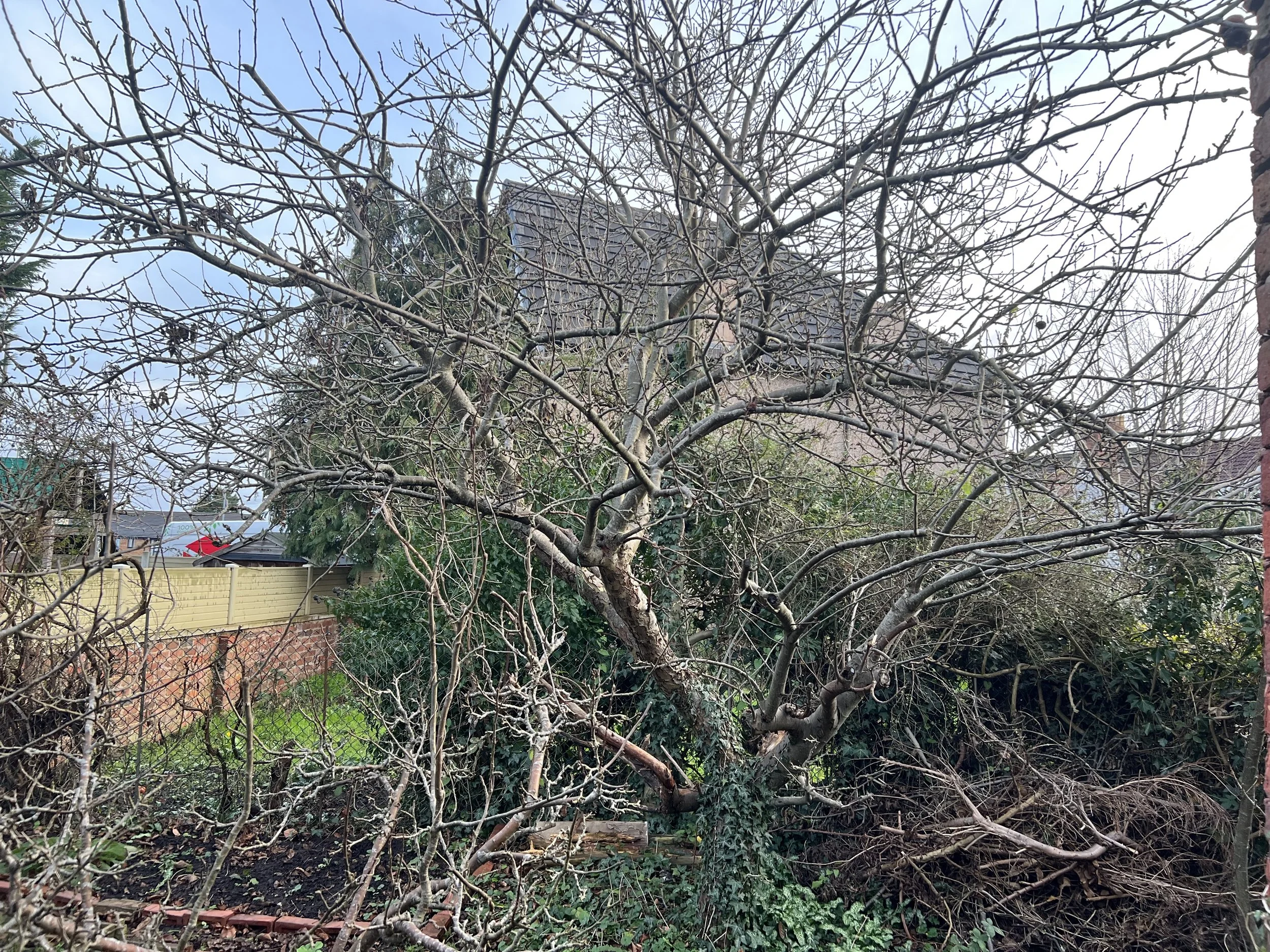
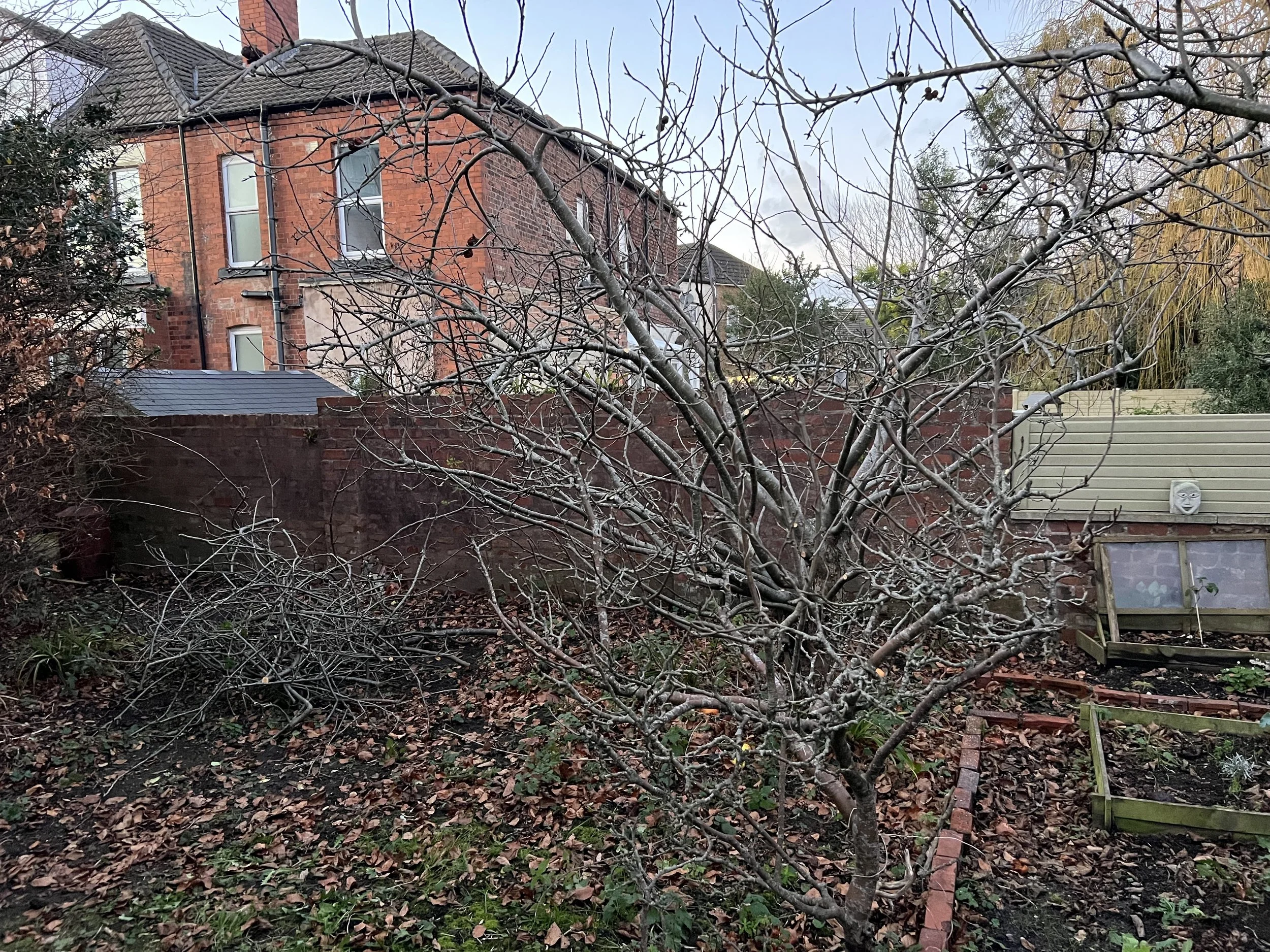
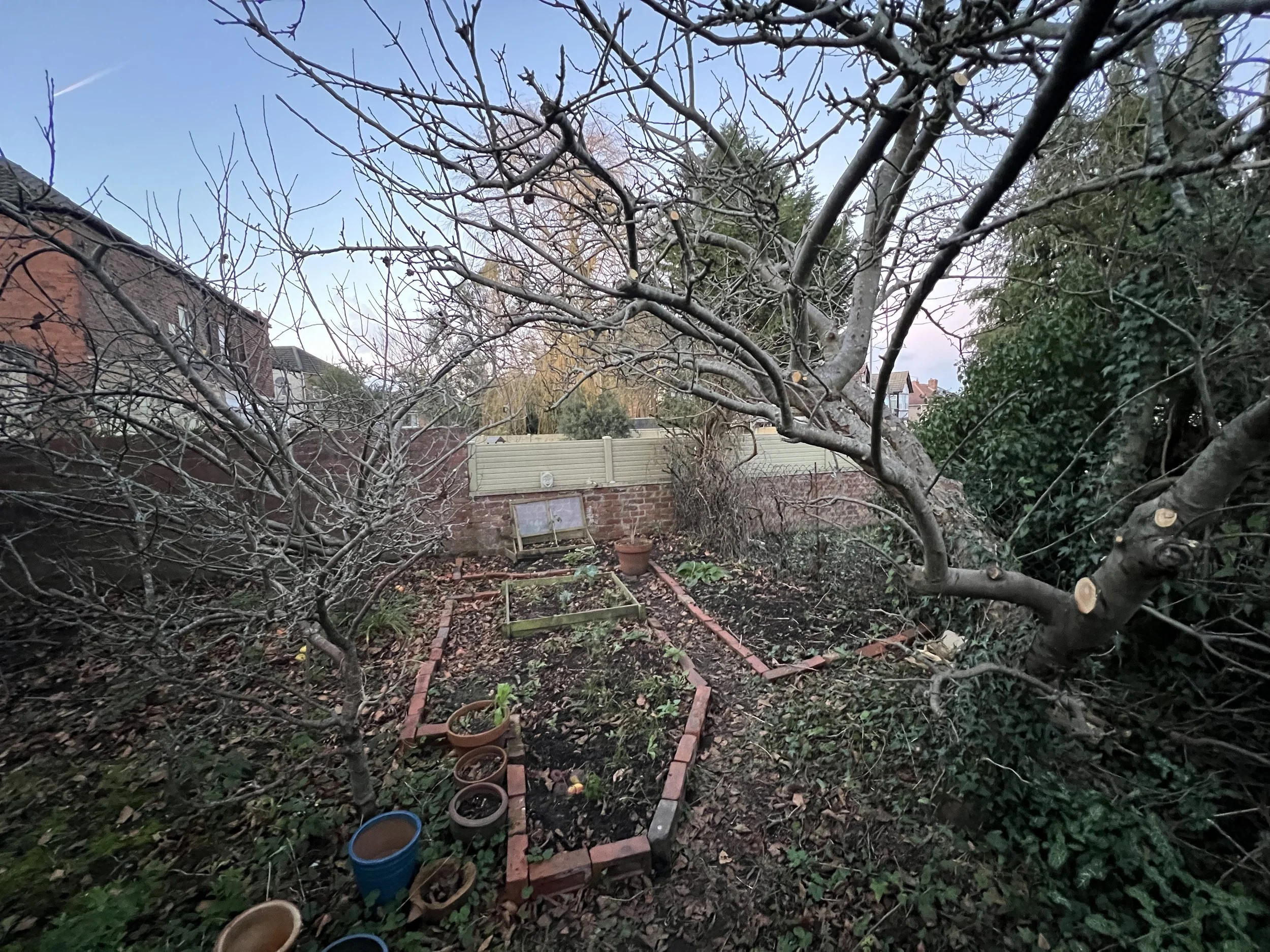
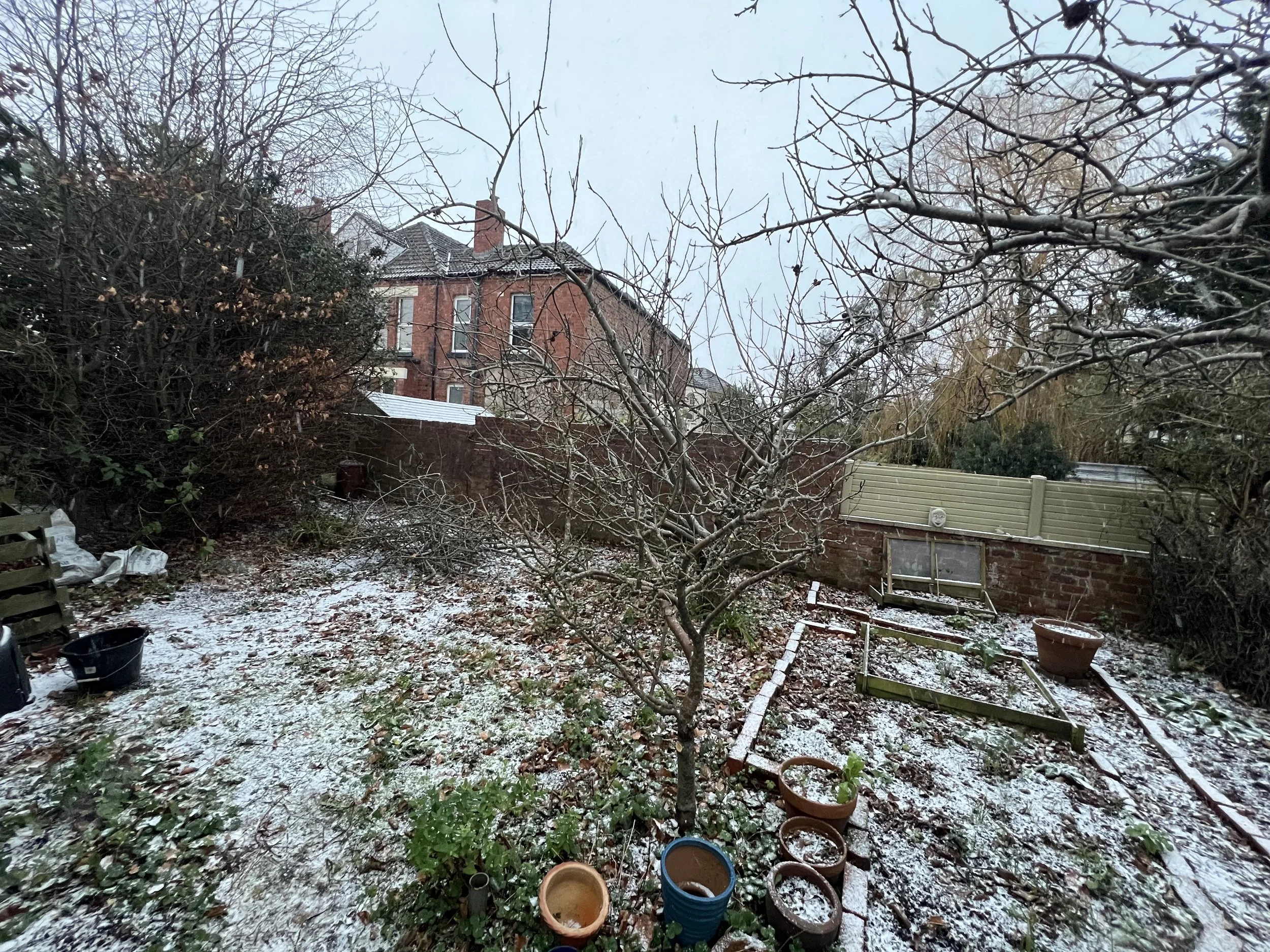
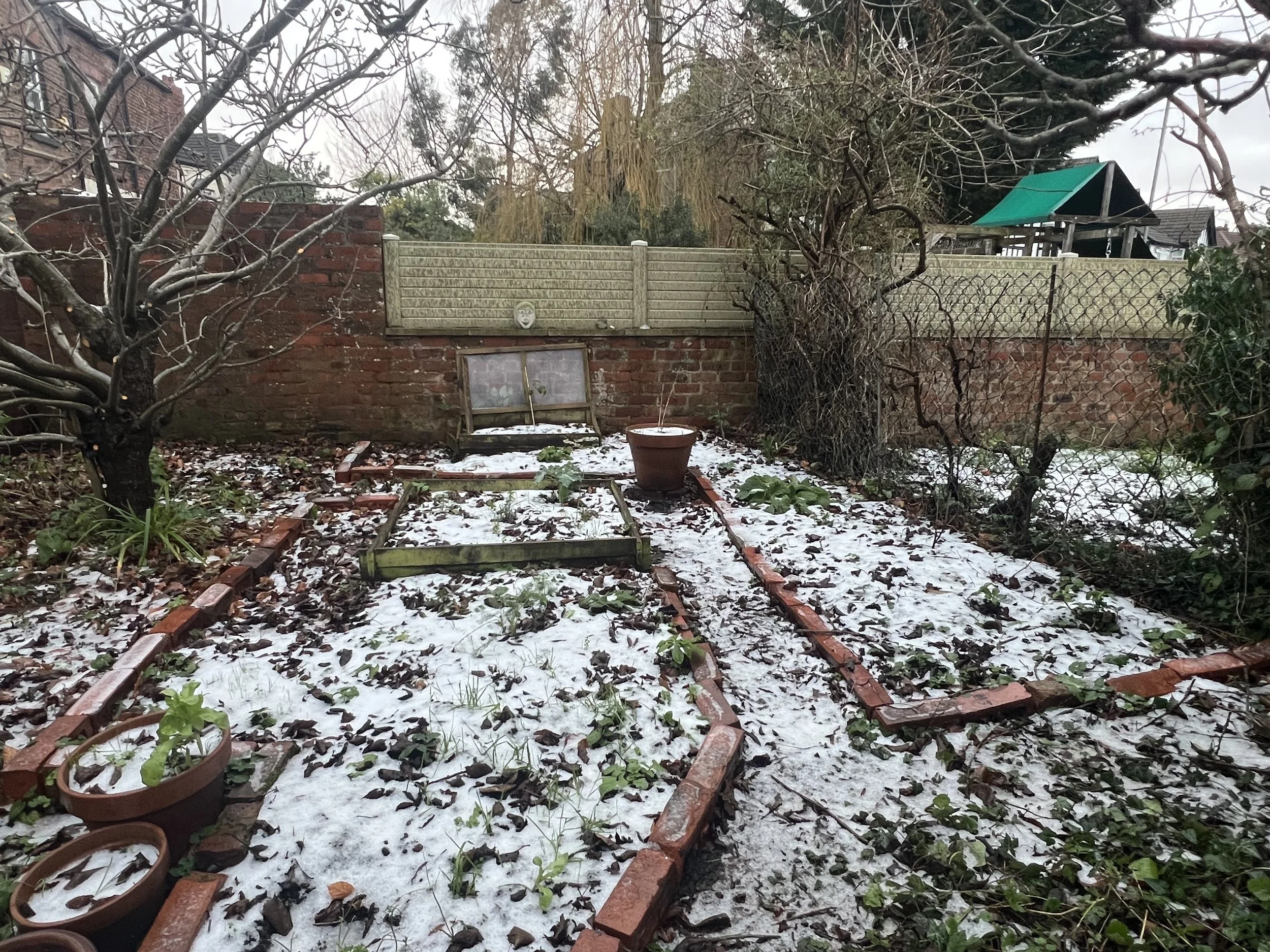
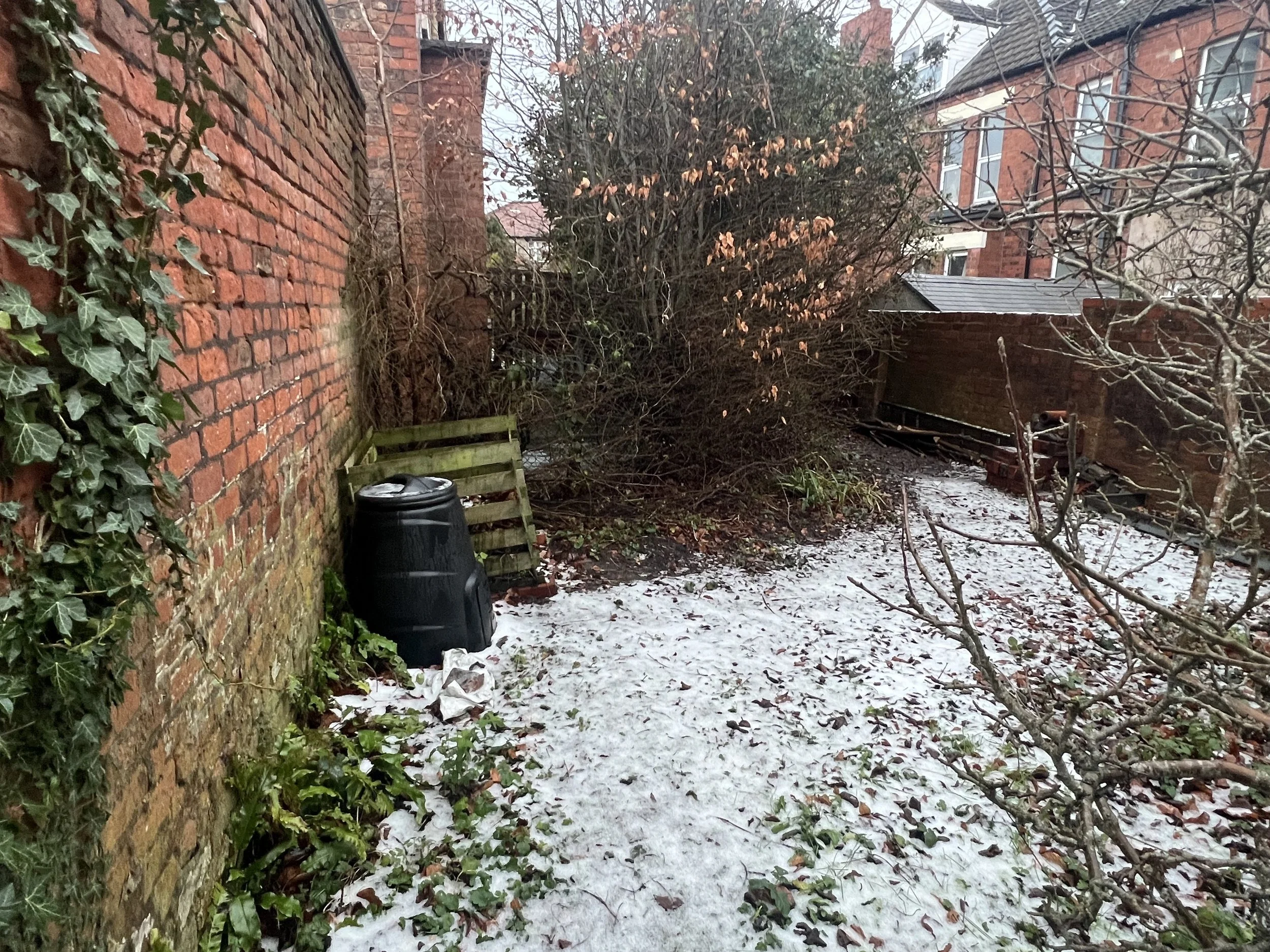
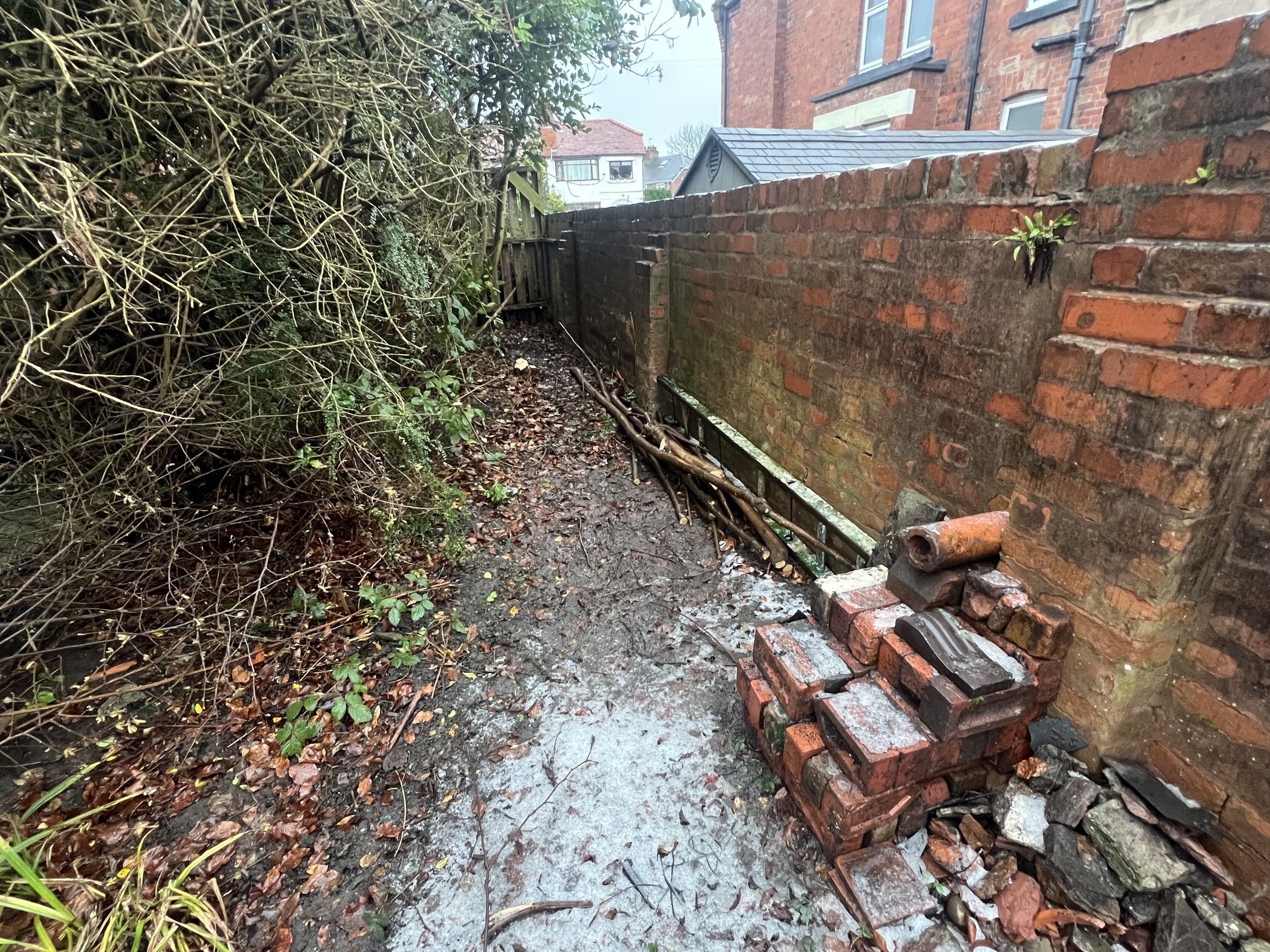
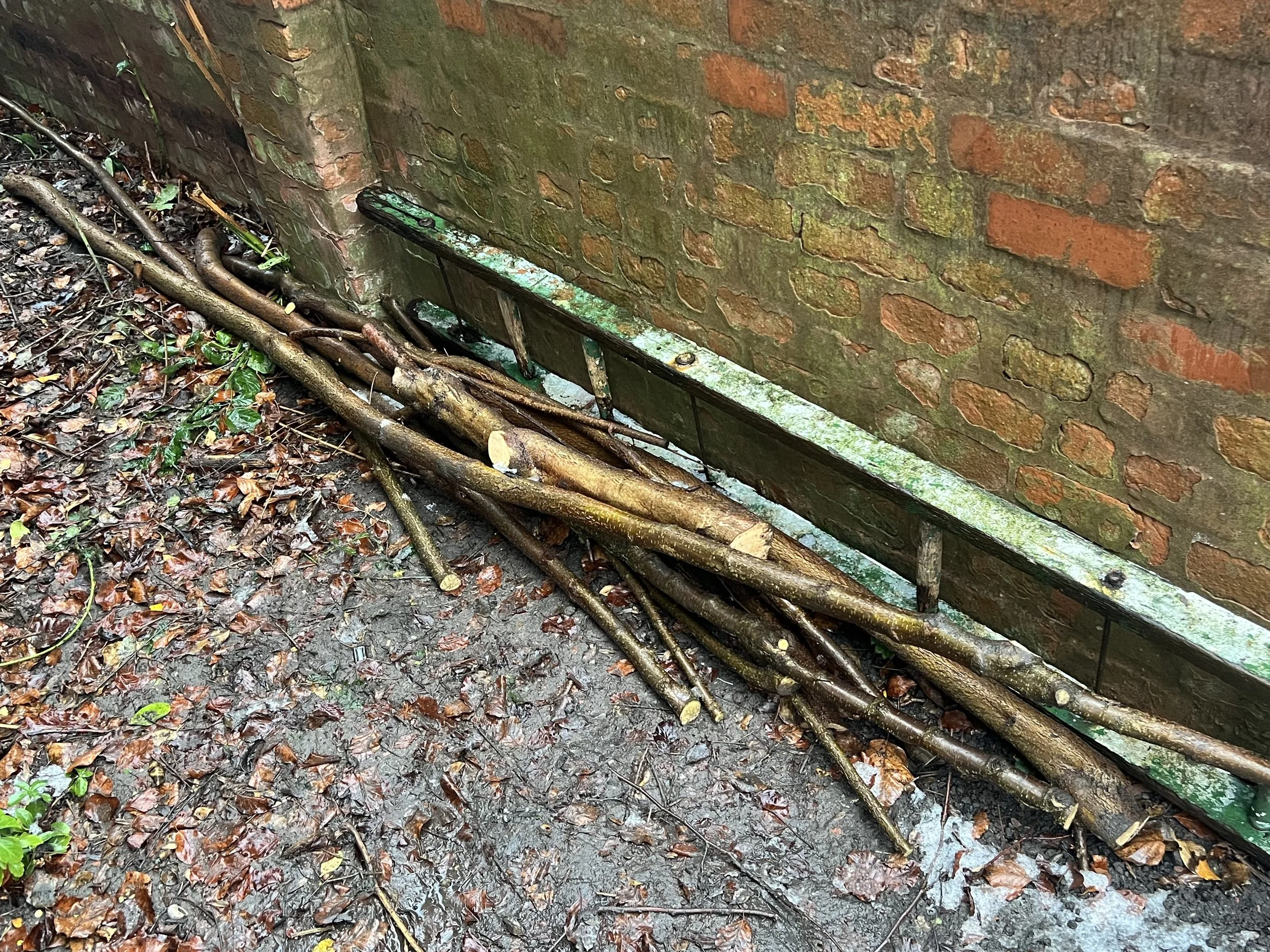
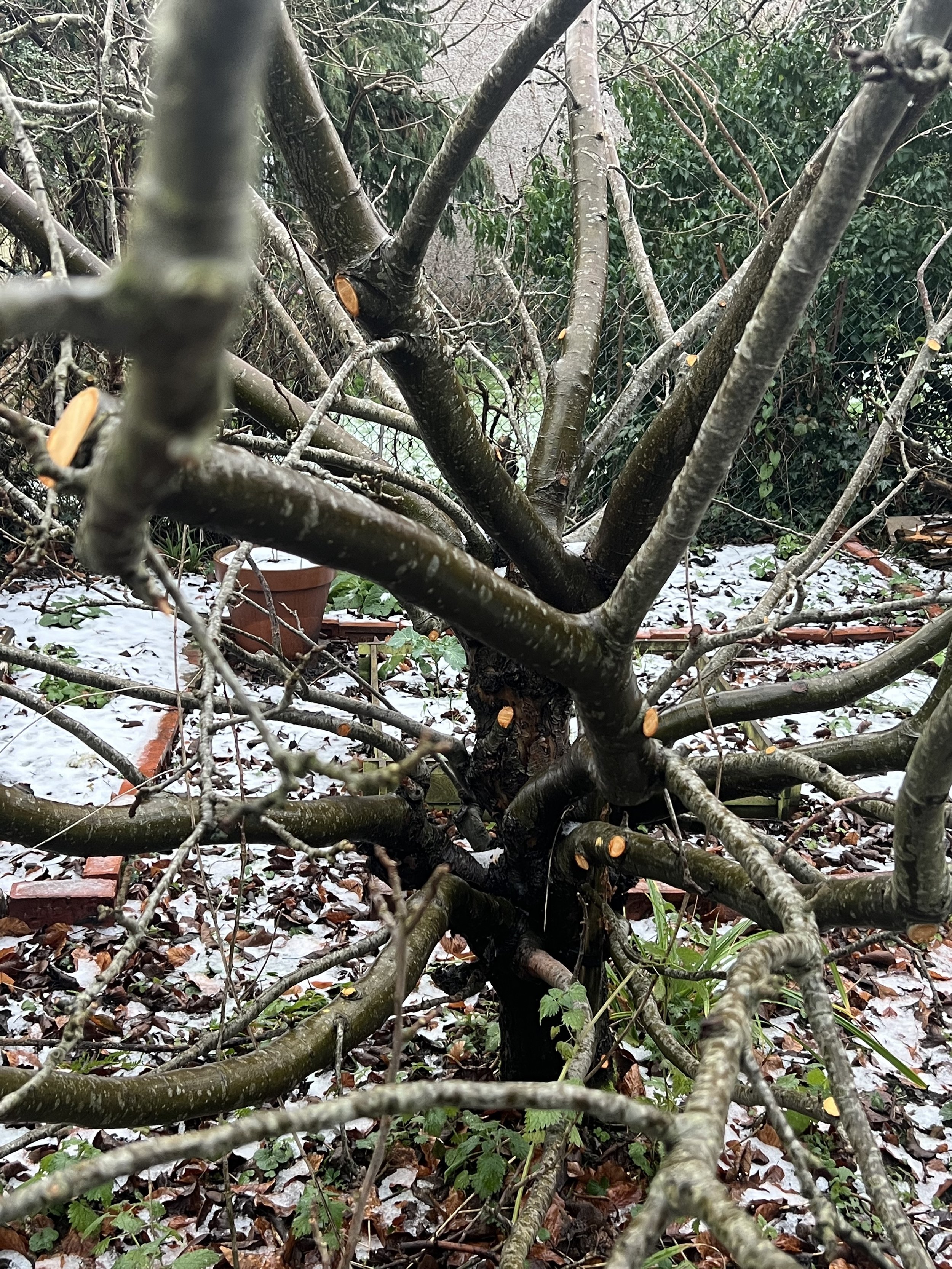
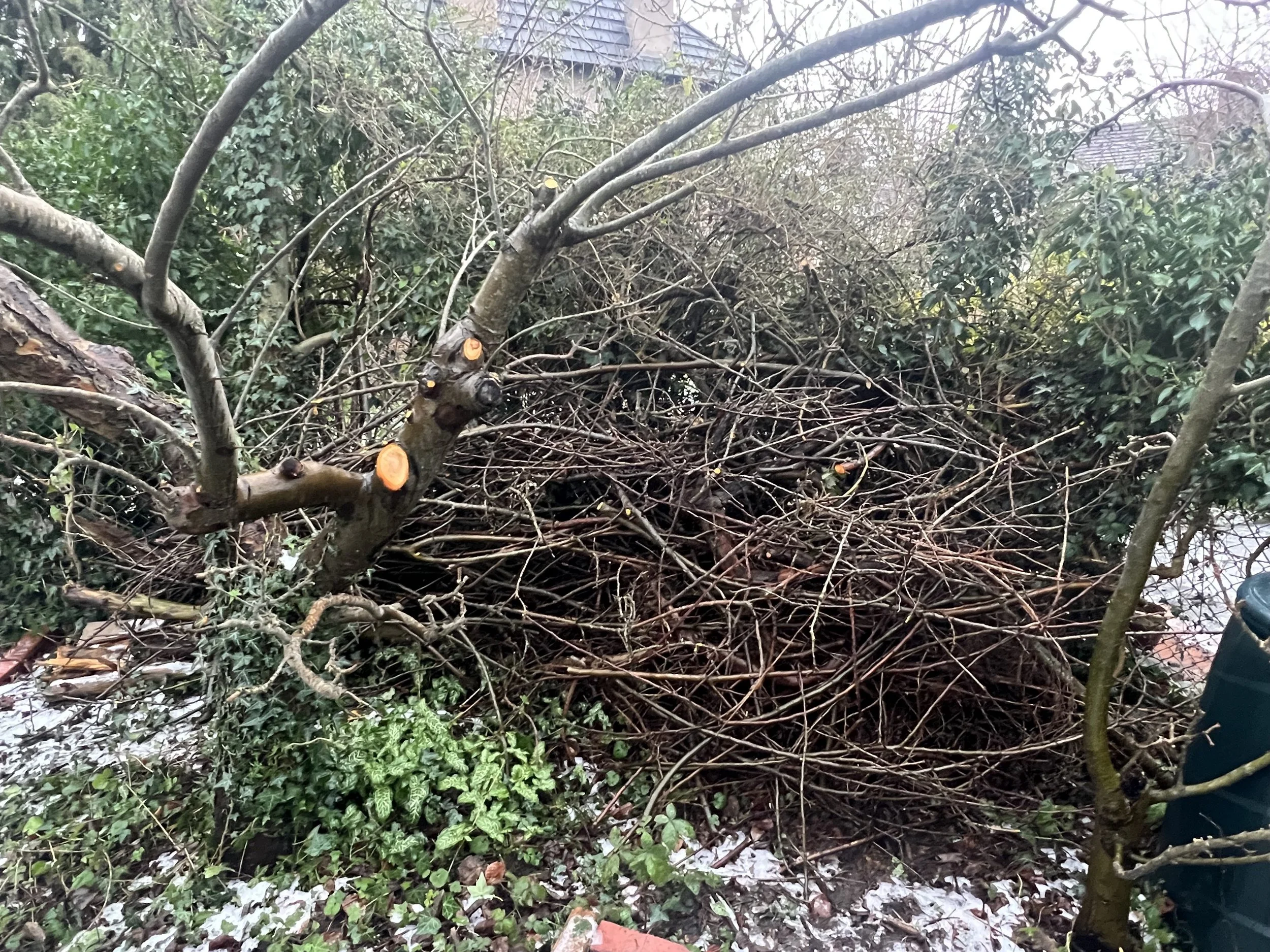
Seeing as my family home is in New Ferry, which is just across the river from Liverpool where I’ve been studying since autumn, I thought I’d cultivate a garden so that I could eat nutritious food during my time at university. I began in August, a month before my course started, creating multiple new beds using old bricks my grandad had laid aside to give them shape and elevation. I mixed in ready compost created by food waste from the house, and manure from the garden centre. I planted a few vegetables, hoping I would get a crop before winter. Most of them died off, but a few remain and perhaps they’ll make it to spring! I also planted a fig, and two gooseberries, although it’s hard to tell how alive they are. The other thing I did was transplant lots of mini calendula flowers from the front garden, and one of them is now flowering! Hopefully they will perniciously take over the garden with their many shades of sun coloured petals. My favorite part of the entire project is making good use of the compost system. I love the entire process of putting kitchen food waste in the compost bin, taking it outside, and tipping it on the compost heap and watching the decay and insect activity over the following months as it morphs into dark, nutrient dense plant food. There is something so satisfying about turning your waste into something useful, rather than sending it to landfill. It’s like, ‘You may have my soul, but I’m not letting you have my potato peelings!’ So far this winter I have pruned the apple trees to improve their structure and let more light in for this years veg. I’ve also coppiced a large hazel, and I now have many green rods, some as wide as 4 inches in places. It will grow back I’m sure. My remaining goals for this winter are to pollard a couple of ash trees which will let in some more light, and reduce the beech hedge by about a third, and another third next year, so I don’t shock it too much, as it is quite overgrown. I would also like to plant some more fruit bushes, as they are so low maintenance and produce such nutritious berries.
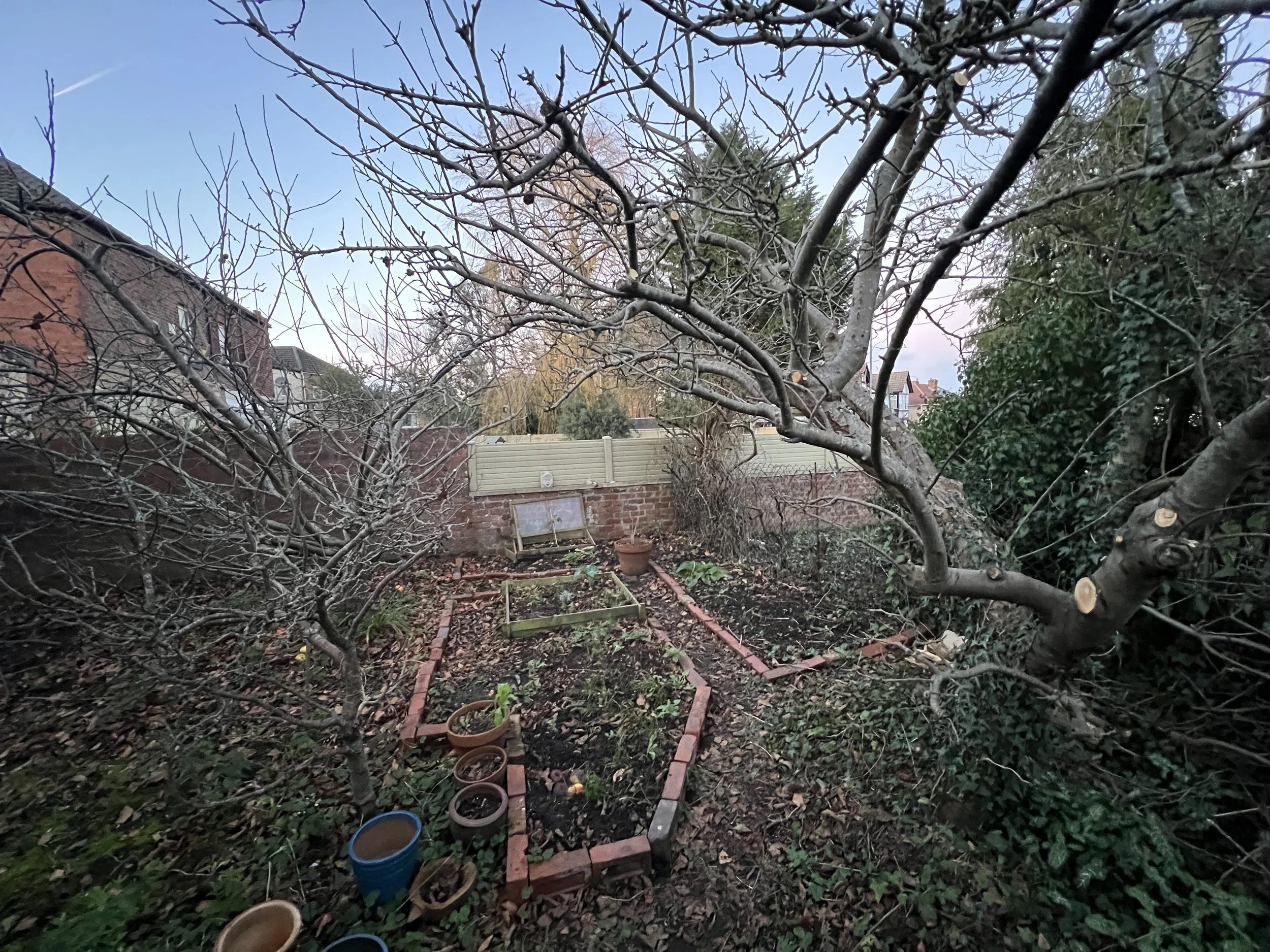
Freshly pruned apple trees in January
Planted by grandad decades ago









Dev Patel in Green Knight
This was my first piece of writing for university, and was submitted as coursework for my ‘Acting for Stage’ module, as an early assessment. It is a review of Dev Patel’s performance in Green Knight.
Performance Review of Dev Patel in ‘Green Knight’
Green Knight (2021) is a film set in the mythical time of King Arthur and follows the spiritual journey of his nephew Gawain (played by Dev Patel) as he seeks to prove his worth as a knight of the Round Table by undertaking a perilous quest. Patel’s performance is that of a flawed, fearful man searching for honour, using awkward physicality, emotional intensity, and other techniques to grapple with themes of valour and identity. The film is based on the medieval poem Sir Gawain and the Green Knight (anonymous).
Early on, Patel clearly proves Gawain’s immaturity through his use of unashamed stumbling. He is constantly out of breath and makes use of grunting and sighing to show his cockiness. This shows he is not yet of knightly character. He then appears quite different when in the presence of the court, especially King Arthur, whom he admires. He shows admiration with hesitant speech and his ready-to-receive gaze. During the beheading of the Green Knight scene, Gawain’s internal conflict is visible as he forces himself into bravery, his fear leaking through via the use of nervous pacing and ragged breathing. A minor detail is that his beheading of the knight is infused with some anger because he did not get the noble duel he was after. I thought this showed good depth of character study.
Patel’s acting is visibly different depending on who he is with. With his lover Essel, he is detached and preoccupied with his looming quest, shown by gazing deeply into space, unaffected by her advances. With the scavenger, Gawain is disinterested (despite the scavenger’s friendliness) until he is given directions. This reveals his self-concern. With the lord and lady of the castle, he is very engaged and listening to what they are saying, allowing the other actors’ energies to influence him.
His map of reality changes before our eyes as he experiences increasingly strange things. He maintains a consistent tone of bewilderment throughout the “quest” part of the film, through searching, wide eyes. You can see the cogs turning in his head. Later, his eyes become heavy-lidded and duller as he is burdened by the shame of what he perceives to be his own cowardice: running from the Green Knight’s axe, not honouring the game.
Upon observation, Patel seems to have really familiarised himself with Gawain’s psychological arc, which lends the character great credibility. A major takeaway for me were the multiple emotional threads he layers in to create continuity. He will not drop a thread until it has run its course in the story; bewilderment remains a key undertone for much of the quest, as well as fear, and he slowly turns the dials on these different currents as more strange events befall him. At times he shows more acceptance (like in the chapel initially), but he quickly slips into fear again before running away, showing how flawed he is, and how profound courage can wobble in the face of death.

First Psychology Essay
This is latest university work. It is an essay for my course, ‘Psychology, Self and Society’ and was written to academic standards, although it is quite an inferential piece. Hilariously, I will most likely fail this assignment as I ran into a technical issue when I tried to submit ten minutes before the deadline, and had to submit late. It’s a shame I won’t find out what my true mark would have been, I would say it is around a 74, a low first.
To What Extent Does the Use of Artificial Intelligence Influence Individuals’ Self-Efficacy in Contexts Where AI Support is Unavailable?
This essay will look to ascertain what effect the use of artificial intelligence may have on individuals in terms of their level of self-efficacy when they don’t have access to the technology, or the situation demands their unaided execution of tasks. Self-efficacy refers to a person’s belief in their capability to organize and execute the actions required to manage prospective situations (Bandura, 1997). It is important to make a distinction between self-efficacy and an individual’s actual competence, as the former can increase while the latter remains steady.
Bandura (1977) outlines mastery experiences as immediate personal experiences of success, especially when they involve overcoming obstacles. He argued that the strongest sources of self-efficacy are mastery experiences. To experience mastery of critical thought, individuals must reach a place of insight through a process of independent thinking. While it is true that independent thought is possible in conjunction with an AI tool, users may develop a tendency to accept its conclusions and reasoning without thinking it through for themselves, defaulting to low-effort processing (Kahneman, 2011) and therefore missing the opportunity for mastery, and a felt sense of understanding and capability. It is uncertain whether this could also result in an atrophying of unused cognitive faculties over time, which can lead to reduced self-efficacy. Although it could be inferred that continual defaulting to low-effort processing could lead to a lack of exercise and subsequent atrophying of the more effortful processes that underpin cognitive ability, this decline would owe to fewer mastery experiences, not degenerating biology. While mastery remains the most potent source of self-efficacy, Bandura identified vicarious experience, verbal persuasion, and physiological states as essential components, each of which may be influenced by AI systems in subtle ways. For example, AI can model vicarious competence, producing high-quality output at lightning speed without the reasoning process being visible to the learner. Additionally, AI feedback has been criticized as overly affirmative, which may produce confidence that is out of sync with the quality of thought students are engaged in. Lastly, AI may reduce short-term stress, potentially increasing confidence based on more regulated physiology, although empirical evidence for this effect is limited (Sutton & Wheatley, 2003).
Artificial intelligence tools can complete complex intellectual tasks based on prompts from the user, without requiring the user’s mastery over the material. If the user maintains an independent mental process, insisting on their own mastery, this would be using the AI as an enhancing aid. If the user defaults to accepting answers without using their own cognition, this would be using it as a substitute. While not necessarily harmful, it could have several effects on self-efficacy when the AI tool is removed.
Initially, self-efficacy may become inflated as the user’s system interprets the accomplishments of the AI as their own, even though they may have outsourced a large portion of the cognitive labour. This is a well-known effect in cognitive offloading theory (Risko & Gilbert, 2016), where the outsourcing of cognitive work to external tools can still elicit a sense of progress and competence. This would result in a mismatch between the confidence of the individual and their actual proficiency, which would have resulted from using the tool as a substitution, rather than an aid.
The issue of transfer concerns the extent to which self-efficacy developed in AI contexts translates into self-efficacy in non-AI contexts. This is particularly relevant in educational settings, where children and young people are developing key skills such as critical thinking. The use of AI, particularly by developing minds with lower executive functioning, may lead to missed opportunities for practicing key skills. Students may develop a sense of capability unreflective of reality, or that is absent when faced with tasks without access to AI assistance.
Determining factors may include how success is defined by educators, pre-existing levels of competence, and levels of self-awareness in users. AI tools could unintentionally favour grade results over mastery-induced self-efficacy, especially if the implicit orientation of the learning is towards grade outcomes. Educators should be mindful of this as AI implementation in schools and universities increases. Secondly, users with higher baseline levels of skill may be less likely to lean on AI tools, as they already possess the cognitive skills that less developed learners may rely on AI for. Lastly, a user’s level of metacognitive awareness is likely to raise their awareness of these dynamics, enabling them to plan and regulate their own learning, and making them more likely to use AI as a learning enhancer rather than as a crutch. Traits such as metacognitive awareness, cognitive ability, and objective performance relate to executive functioning (Miyake et al., 2000), which is positively associated with age from childhood and peaks in early adulthood (Best & Miller, 2010). This leaves younger people more vulnerable to AI-related loss of learning and puts them at risk of self-efficacy inflation or erosion if AI is poorly implemented. When students tackle challenges without AI, their self-efficacy will be based on whether they use the tool as an aid or substitute, and how much mastery they are able to experience while doing so.
In an occupational setting, AI reliance might leave users feeling under-resourced during unexpected situations or tech outages. While AI may be of great benefit in many workplaces, there are certain professions where AI reliance may have a more pronounced detriment. For example, doctors using AI to aid in the medical process of diagnosis, prognosis, and treatment, without fully engaging in their own reasoning process. As in education, effects on self-efficacy are likely to be determined by whether individuals rely on the technology or use it to enhance their practice. A key factor determining how professionals use AI might be stress levels. There are many aspects of work which can elevate stress, and some of the most stress-prone professions—like medicine, law, and teaching—are the most in need of AI-independent self-efficacy. If someone is feeling more stressed or under time pressure, they may sacrifice their own mastery experiences to get a quick solution from an AI. There is substantial evidence showing that when stress levels rise, decision making is impaired (Arnsten, 2009). So even though people in professions such as law and medicine are known to score highly on measures of critical thought and other aspects of executive function, their level of stress may lead to a gradual shift toward AI reliance, and thus decreased self-efficacy when doing their job without it. In summary, stress can lead to poorer decision making and, as a result, greater reliance on AI, fewer mastery experiences, and lower self-efficacy. This may even imply a vicious cycle where the individual’s lowered self-efficacy leads to more stress, restarting the chain.
In summary, the impact of AI on self-efficacy depends on whether it is used as an aid or a substitute, the user’s metacognitive awareness, and the availability of independent mastery experiences; these factors collectively determine how confidence develops and transfers to non-AI contexts. The psychological implications for professionals and students include users’ sense of agency, autonomy, and identity as people who can execute. To best understand its impact, researchers will need to make a distinction between AI used as an aid rather than a crutch. However, it is crucial to note that using AI does not inevitably lower self-efficacy. AI tools can serve as training wheels that lower entry barriers for students who may otherwise avoid challenging intellectual material due to low confidence. Access to AI may reduce anxiety stemming from academic workload, encouraging them to engage more and reducing the risk of poor performance due to overwhelm. This is how AI could increase self-efficacy, but the solidity and transferability of this confidence would depend on whether it was gained through an internalization of the process or a mere acceptance of AI-generated output.
Even though interest in the psychological impacts of artificial intelligence is growing, current evidence is still limited in its ability to directly address the question. A large proportion of present literature addresses attitudes toward AI, which include trust, acceptance, and perceived usefulness of the tool, not explicit effects on self-efficacy when AI is absent. When measuring self-efficacy, researchers often use self-report scales immediately following completion of AI-supported tasks, making it hard to ascertain if it transfers to contexts where unaided performance is required. Furthermore, much of the research is cross-sectional or short-term, restricting causal inference and hiding possible effects of AI reliance over time. Many claims about AI’s impact on self-efficacy are thus inferred from related constructs such as cognitive offloading and mastery, rather than shown directly. This points to a gap in the literature and signals the opportunity for longitudinally designed studies that look for a direct link between self-efficacy and objective performance following the withdrawal of AI support. This essay offers a synthesis of cognitive offloading, mastery, and stress’s impact on decision making, providing a theoretical framework for understanding self-efficacy in AI-assisted and independent contexts.
References
Arnsten, A. F. T. (2009). Stress signalling pathways that impair prefrontal cortex structure and function. Nature Reviews Neuroscience, 10(6), 410–422. https://doi.org/10.1038/nrn2648
Bandura, A. (1977). Self-efficacy: Toward a unifying theory of behavioral change. Psychological Review, 84(2), 191–215. https://doi.org/10.1037/0033-295X.84.2.191
Bandura, A. (1997). Self-efficacy: The exercise of control. W. H. Freeman.
Best, J. R., & Miller, P. H. (2010). A developmental perspective on executive function. Child Development, 81(6), 1641–1660. https://doi.org/10.1111/j.1467-8624.2010.01499.x
Kahneman, D. (2011). Thinking, fast and slow. Farrar, Straus and Giroux.
Miyake, A., Friedman, N. P., Emerson, M. J., Witzki, A. H., & Howerter, A. (2000). The unity and diversity of executive functions and their contributions to complex “frontal lobe” tasks: A latent variable analysis. Cognitive Psychology, 41(1), 49–100. https://doi.org/10.1006/cogp.1999.0734
Risko, E. F., & Gilbert, S. J. (2016). Cognitive offloading. Trends in Cognitive Sciences, 20(9), 676–688. https://doi.org/10.1016/j.tics.2016.07.002
Sutton, R., & Wheatley, K. (2003). An overview of cognitive load theory. Educational Psychology Review, 15(1), 25–45. https://doi.org/10.1023/A:1022069814727
VanLehn, K. (2011). The relative effectiveness of human tutoring, intelligent tutoring systems, and other tutoring systems. Educational Psychologist, 46(4), 197–221. https://doi.org/10.1080/00461520.2011.611369
Zhang, J., & Norman, D. A. (1994). Representations in distributed cognitive tasks. Cognitive Science, 18(1), 87–122. https://doi.org/10.1016/0364-0213(94)90003-8

Polymathology
I have started this site because I aspire to pursue my inclinations to as much depth and breadth as possible. I have always been cyclically interested in a variety of seemingly different areas of life, but my intuition is that many of them actually overlap in profound and pleasing ways. If you explore this site, you might find essays, articles and other writings by me, touching on subject matter ranging from NBA to woodwork, from psychology to acting, from off-grid living to mysticism.
In short, I have no idea which direction this site will take. All I know at the moment is that it will contain my actors portfolio as I study acting at university, and blog posts containing general reflections and ideas. When I was a child at a Steiner school I created a lot of main lesson books. These were beautifully decorated, and they recorded my learnings about Ancient Greece, projective geometry, creative writing and many other subjects. I always took great pleasure in learning and creating these books as I went along my school journey. I was also consumed by atlases of the world, and books such as David Maccandles’ ‘Knowledge is beautiful’ which contained beautiful illustrations of interesting data. Thanks to all of the inspiring material I was exposed to, the nurturing of loving people in my life, and my own volition, I developed a vision to create a ‘book of life’. I didn’t know exactly what this would be, and I couldn’t condense the vision into anything limited enough (in breadth) to make manifest. I just knew that I wanted it to be something comprehensive, inclusive, holistic, accessible and involving those closest to me.
This site is thus an attempt to honor that childhood vision, and is one gigantic brainstorm or draft for that book, if nothing else. I consider that the vision may not even want to manifest in the form of a book, it may never take one form or reach completion. It is a general feeling of something that wants to emerge, and a book was the most inspiring image at the time of the visions’ conception. My reason for creating this site is to give this burgeoning vision an external container, for until now it has only lived inside me. It’s time in the womb is over, and it is now beginning it’s life as a yet unformed- but born- entity.
Bear in mind its new-born nature as you peruse this site, and enjoy its nebulous growth!